Stop Project Delays with a Secure Connection
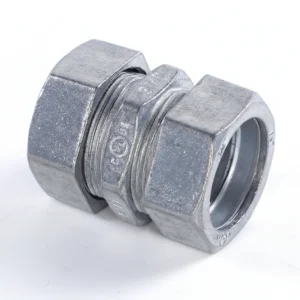
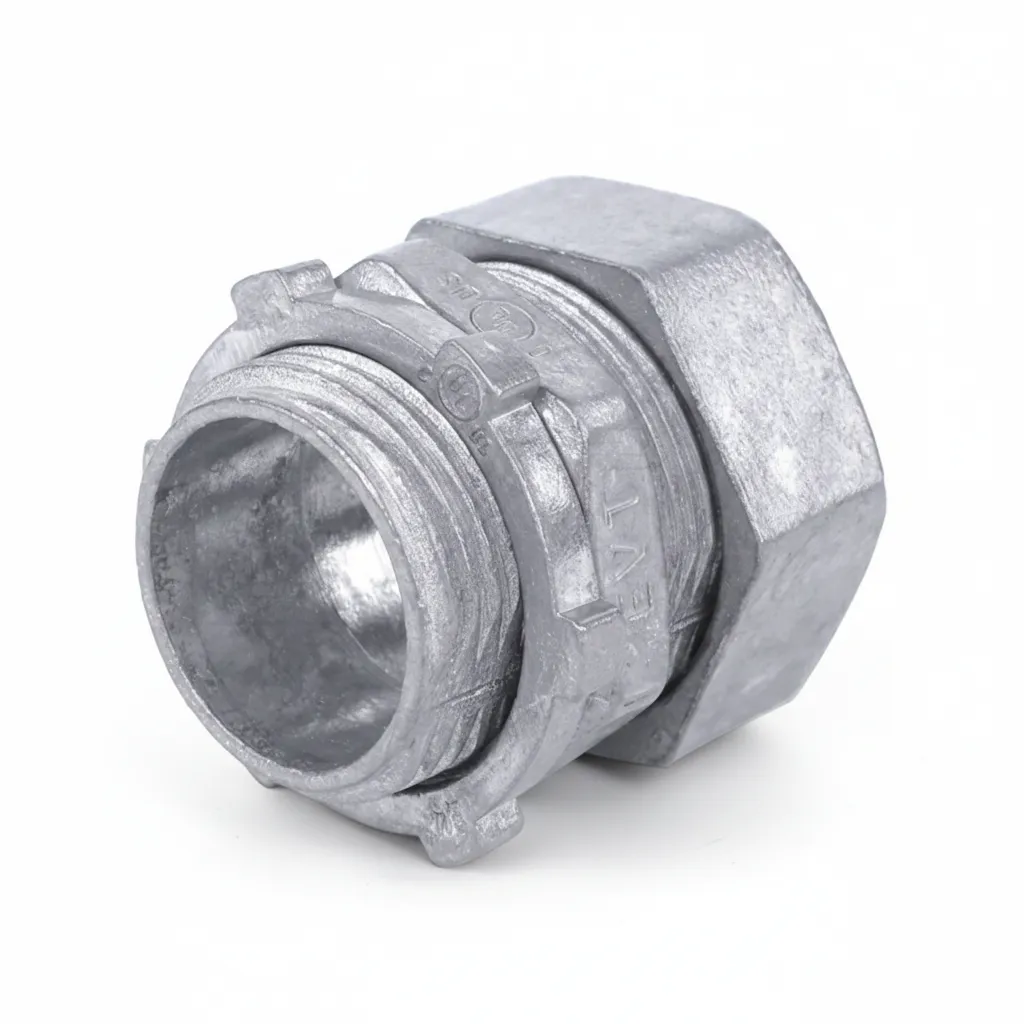
Struggling with loose conduit connections that stall installations? The EMT Compression Connector delivers a strong, reliable grip for fast, worry-free setup every time.
From Installation Stress to Operational Confidence
With its secure and reliable compression design, you can fasten EMT conduit with confidence, so your projects stay on schedule without unexpected delays. The connector’s metal-to-metal contact ensures proper electrical continuity, reducing the risk of grounding issues and providing peace of mind for safety and compliance.
Because it is specifically made for thin-walled EMT, there is no need for threading, cutting labor time and simplifying installation. Durable, corrosion-resistant construction means it withstands demanding commercial and industrial environments, so connections remain strong and dependable for years.
Using the EMT Compression Connector transforms installations from a potentially error-prone process into a streamlined, efficient workflow. Teams experience less downtime, faster project completion, and the confidence that every conduit connection meets electrical code standards. Whether retrofitting, renovating, or installing new systems, this connector improves reliability and reduces costly rework, ensuring your electrical infrastructure functions safely and efficiently.
Scannable Key Benefits
- Secure Connections: Compression design tightly grips conduit, preventing slippage or loosening.
- Electrical Continuity: Metal contact ensures reliable grounding and code compliance.
- Time-Saving Installation: No threading required, reducing labor and speeding up projects.
- Durable Performance: Corrosion-resistant metal construction supports long-lasting installations.
- Versatile Use: Compatible with thin-walled EMT for commercial, institutional, and residential projects.
Technical Specifications
| Specification | Details |
|---|---|
| Dimensions | Standard EMT conduit sizes: ½”, ¾”, 1”, 1¼”, 1½”, 2” |
| Materials | Zinc die-cast, steel, or plated corrosion-resistant metals |
| Compatibility | Electrical Metallic Tubing (EMT), junction boxes, panels, enclosures |
| Connection Type | Compression (no threading required) |
| Compliance | Meets NEC and electrical code requirements for grounding and retention |
FAQ Section
What is the difference between EMT compression connectors and set-screw connectors?
– EMT compression connectors use a compression ring and nut to grip conduit, while set-screw connectors rely on screws pressing into the conduit wall. Compression connectors provide stronger mechanical retention, better grounding, and a more code-compliant solution for thin-walled EMT.
Is this suitable for commercial and industrial wiring projects?
– Yes. EMT compression connectors are ideal for commercial, industrial, and institutional wiring. They securely attach conduits to junction boxes, panels, and enclosures, providing reliable electrical continuity and durable performance in high-demand environments.
How does the compression feature work?
– The compression nut tightens against a metal ring (ferrule) around the EMT conduit. This clamps the conduit securely, creating a strong mechanical grip and maintaining grounding between the conduit and connected boxes, ensuring safety and code compliance.