Stop Power Failures Before They Stop Your Project
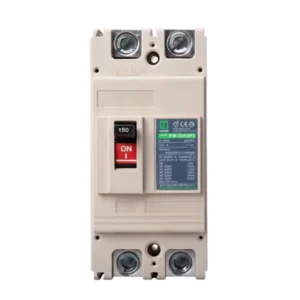
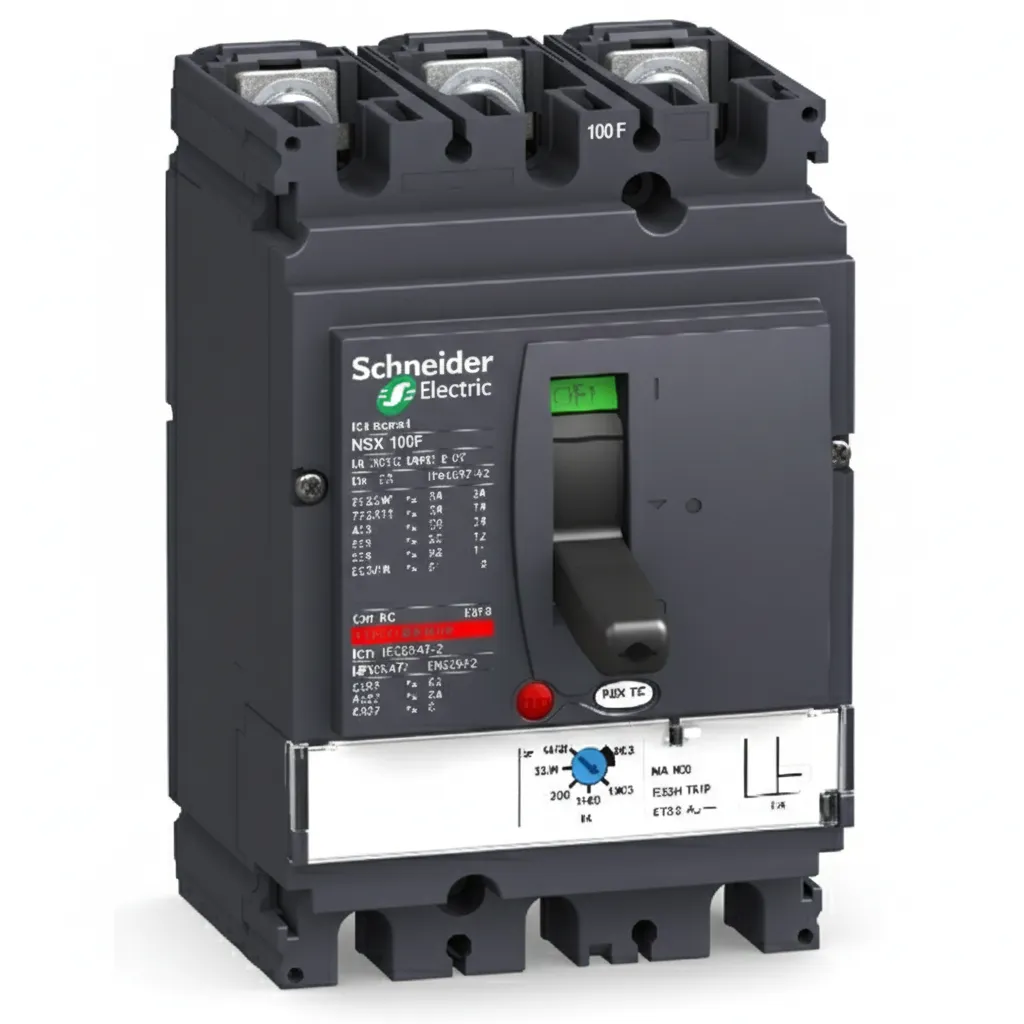
Electrical faults can stall construction timelines, damage expensive equipment, and create safety risks for entire facilities. The Schneider Molded Case Circuit Breaker provides dependable protection and intelligent fault control so your electrical system stays stable and your projects move forward with confidence.
Built for Reliable Power Protection and Operational Confidence
Modern electrical systems demand protection that responds quickly and operates consistently. A Schneider Molded Case Circuit Breaker delivers advanced circuit protection that safeguards equipment while keeping operations running smoothly. High short circuit breaking capacity allows the breaker to interrupt extreme fault currents. This capability protects motors, cables, and switchgear so that catastrophic electrical damage does not occur. Adjustable trip protection gives engineers precise control over overload and short circuit settings. Customizable thresholds allow proper coordination so that only the affected circuit disconnects while the rest of the system continues operating.
Thermal magnetic and electronic trip units provide flexible protection options for different electrical environments. Electronic monitoring features allow operators to track current, voltage, and power data so maintenance teams can detect potential issues early. A compact molded case housing supports efficient panel installation and saves valuable space while maintaining strong durability in demanding environments. Selective coordination ensures the breaker closest to a fault trips first, helping facilities reduce downtime and maintain power continuity across commercial and industrial systems.
Key Benefits of Schneider Molded Case Circuit Breakers
- Maximum Equipment Protection: High short circuit breaking capacity interrupts dangerous fault currents before damage occurs.
- Customizable Circuit Safety: Adjustable trip protection allows precise control of overload and short circuit response.
- Smarter System Monitoring: Electronic trip units measure current, voltage, and energy for better power management.
- Reliable Long Term Performance: Durable molded case construction supports up to 20,000 mechanical operations.
- Reduced Facility Downtime: Selective coordination isolates faults without shutting down the entire system.
- Flexible System Integration: Accessory compatibility supports automation, monitoring, and smart power systems.
Common Applications
Schneider Molded Case Circuit Breakers are widely used in:
- Commercial building distribution panels
- Industrial manufacturing facilities
- Data centers and IT infrastructure
- Hospitals and institutional facilities
- Renewable energy and generator systems
- Motor control centers and heavy machinery circuits
Technical Specifications
| Specification | Details |
|---|---|
| Product Type | Molded Case Circuit Breaker |
| Current Rating | Depending on model |
| Breaking Capacity | Up to 25kA or higher depending on series |
| Trip Unit Type | Thermal Magnetic or Electronic (MicroLogic) |
| Mounting | Panel mounted distribution systems |
| Materials | Molded insulating case with high durability internal contacts |
| Mechanical Durability | Up to 20,000 operations |
| Accessories | Shunt trip, auxiliary contacts, undervoltage release, communication modules |
| Compatibility | Commercial, industrial, and institutional power distribution systems |
Frequently Asked Questions
What is the difference between an MCCB and an MCB?
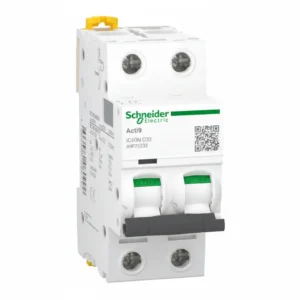
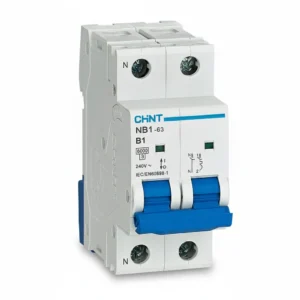
– An MCCB handles higher current ratings and larger fault levels than an MCB. Molded case circuit breakers also provide adjustable trip settings and stronger breaking capacity. These features make MCCBs suitable for commercial and industrial power distribution where electrical loads are larger and system protection requires more flexibility.
Is a Schneider MCCB suitable for industrial electrical systems?
– Yes. Schneider MCCBs are designed for demanding environments such as factories, data centers, and infrastructure facilities. Their high short circuit capacity, adjustable protection settings, and durable construction make them ideal for protecting motors, switchboards, and high capacity electrical feeders.
How does adjustable trip protection improve system safety?
– Adjustable trip protection allows engineers to set precise thresholds for overload and short circuit conditions. This ensures the breaker closest to the fault disconnects first. Proper coordination reduces unnecessary shutdowns and helps maintain power availability across the rest of the electrical system.